Learn the map first — how magnetic care products are sold, where the evidence is thin — then choose a class with disclosed magnet specs.
Overview
A practical briefing on magnetic wellness products — proposed mechanisms, static vs changing fields, what research currently supports, and what CytoAura will and will not claim.
Magnetic care products (often marketed as “magnet therapy”) claim that an external magnetic field can influence the body’s physiology. In the CytoAura sense that means physical consumer tools — wraps, jewelry, pads, and some pulsed supports — sold for day-to-day comfort routines. It does not mean clinic-only devices such as prescription PEMF systems for fracture nonunion or transcranial magnetic stimulation (TMS) for depression.
Modern medicine still treats most consumer magnet claims as controversial. Proposed mechanisms exist on paper; for the common static-magnet goods on Amazon, strong clinical proof of pain relief is largely missing. CytoAura maps the product classes and checks disclosed specs. Evidence reviews belong on Outlive.club.
Product literature and some regulatory briefing documents discuss theoretical pathways — not proven outcomes for every bracelet or mattress. Common talking points include:
These ideas mainly stay at the hypothesis / brochure level for consumer static magnets. CytoAura does not treat them as established medical mechanisms or as a reason to skip clinician care.
| Type | How the field is made | What you usually buy |
|---|---|---|
| Static (permanent) | Permanent magnets (discs, beads, strips) with a field that does not vary over time | Wraps, braces, jewelry, insoles, mattresses, patches — the bulk of wellness listings |
| Dynamic (electromagnetic) | Current through a coil; strength and/or direction changes (including pulsed / PEMF-style consumer gear) | Some home pulsed belts or mats; clinic machines and TMS sit outside our shortlist model |
Wellness copy commonly bundles four interest areas onto wraps, jewelry, and pads. On CytoAura we list them as seller framing with mixed evidence — not proven “main effects,” and not a reason to skip clinician care:
If a listing guarantees cure, detox, or disease treatment, we deprioritize it. Specs and fit first; efficacy theater last.
Chinese and English wellness pages often list “suitable situations.” CytoAura reframes them as browse contexts, not diagnoses we endorse:
None of these are CytoAura medical indications. If pain is new, severe, or unexplained, see a clinician first.
Seller copy that promises curing disease, “detox,” or guaranteed joint repair is marketing. We keep CytoAura language on fit, disclosed gauss / magnet count, and honest evidence gaps.
Magnetic products are not risk-free, especially stronger fields or electromagnetic / pulsed devices. Treat listing “therapy” titles as consumer goods unless they are clearly regulated devices.
Get clinician clearance — or avoid — if you have:
Practical use notes (follow the Amazon page for that SKU when it conflicts):
Medical-device-grade magnetotherapy is regulated differently from fashion jewelry and mattresses sold as lifestyle goods. Do not assume a listing is a cleared device because the title says “therapy.”
Wraps & braces suit a joint or torso zone you already brace for activity. Jewelry is continuous wear with thin evidence and high marketing noise. Bedding & pads cover sleep and seat use — check magnet density and care rules. Pulsed supports need clear duty cycle / power notes and are still not clinic PEMF.
Outlive does not yet publish a dedicated consumer magnet-therapy brief. For a related physiology note — body charge and contact with the Earth’s field environment — start with this Outlive piece on grounding. CytoAura stays the tool map and shortlist. Below, pick a class by job — then a shortlist with disclosed magnet specs.
Classification
Same marketing word (“magnet therapy”), different jobs. Pick the class that matches how you will wear or place it — then see what we shortlist inside it.
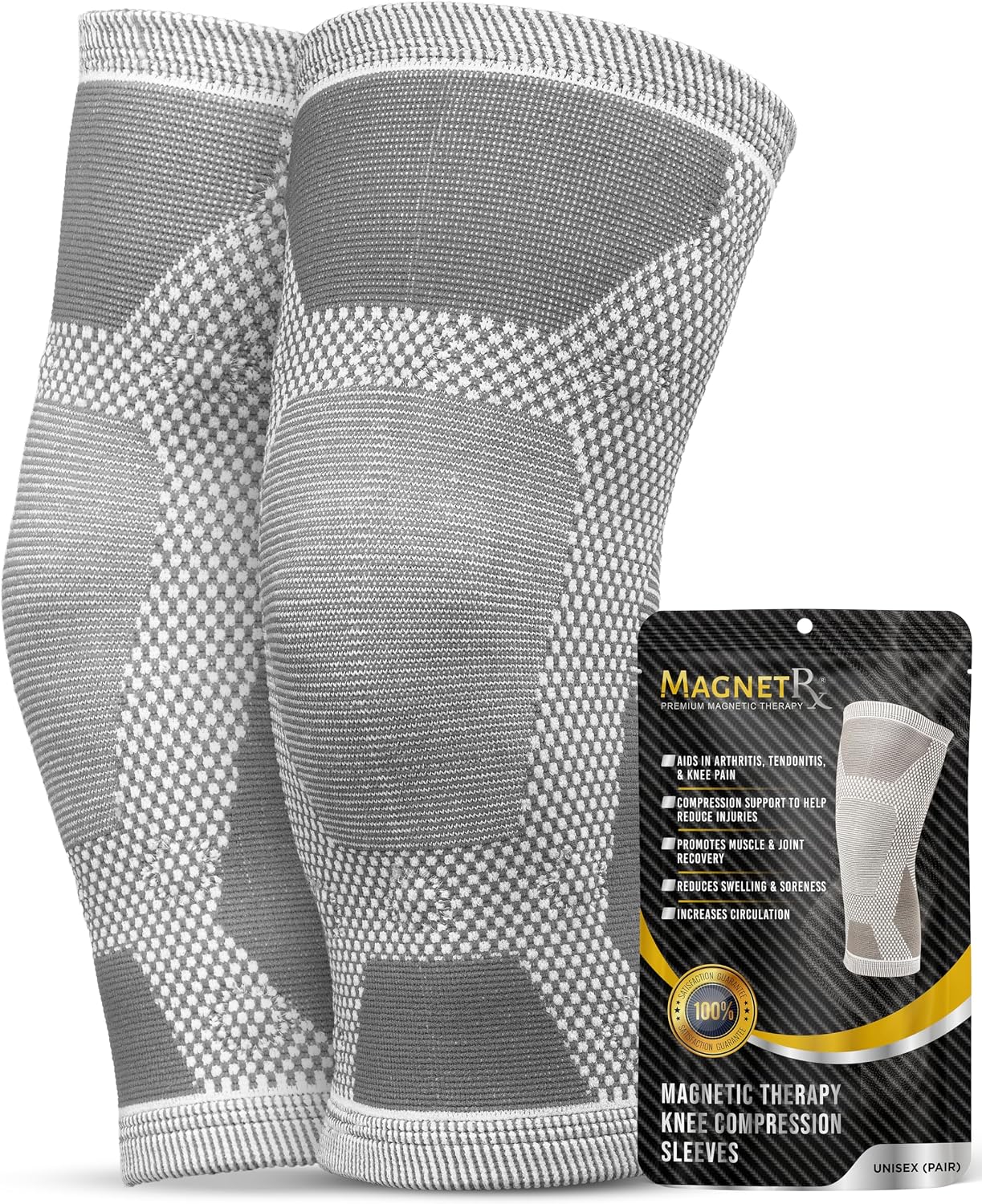
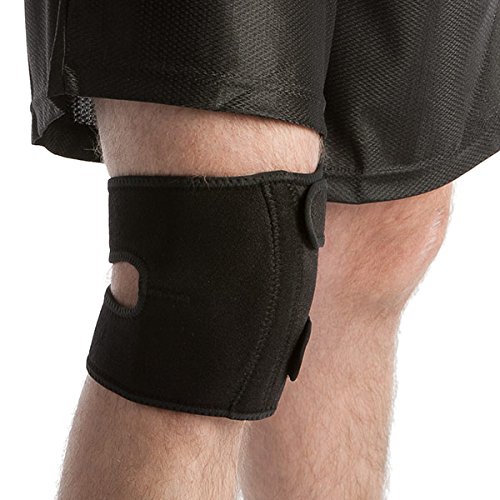
Knees, elbows, waist, and joints — static magnets in adjustable supports.
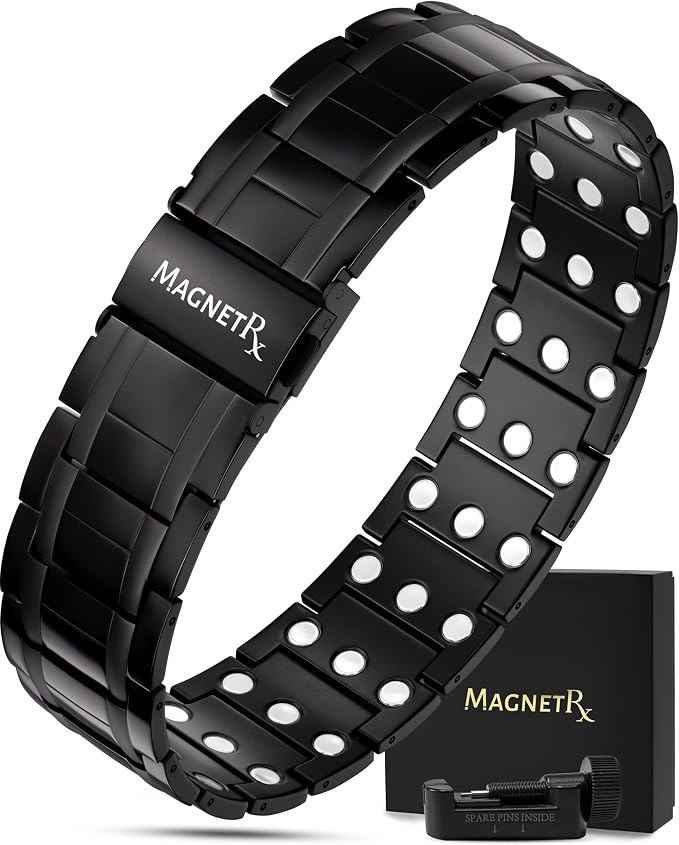
View class → Class 02Necklaces, bracelets, and rings sold for continuous contact wear.
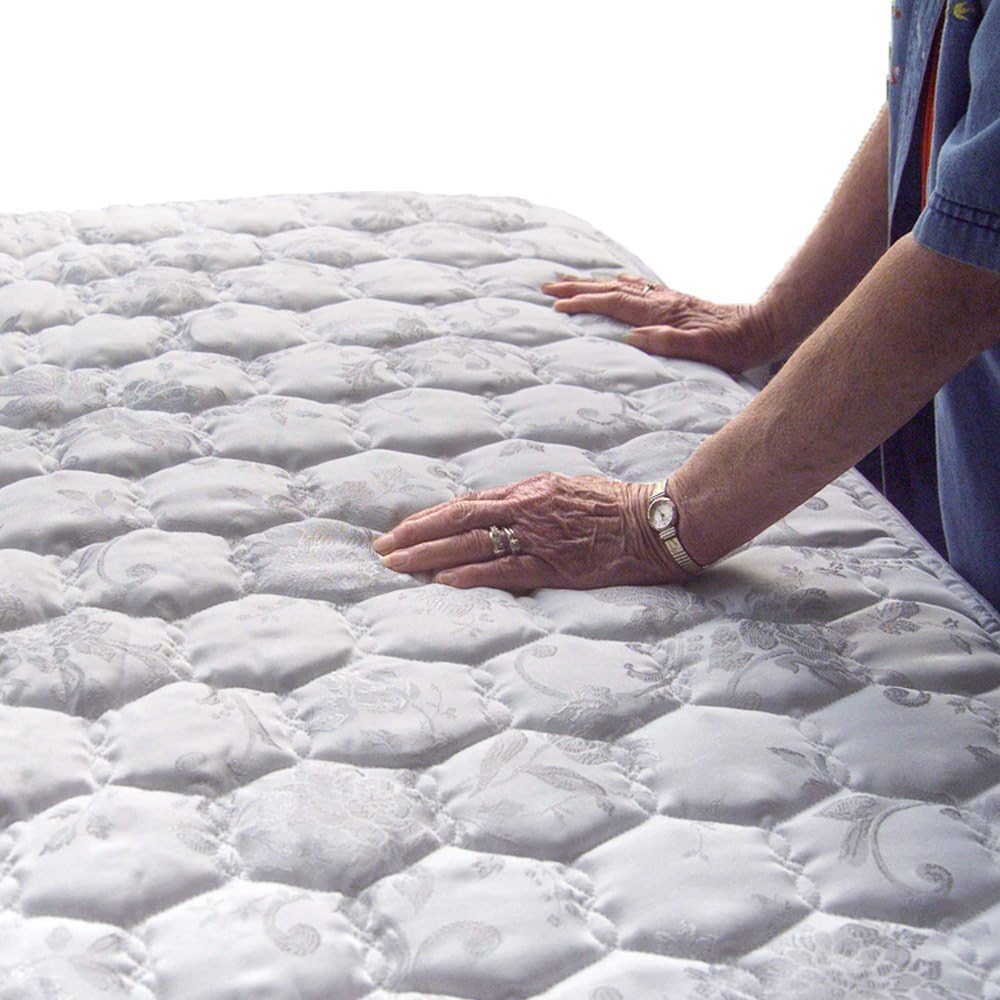
View class → Class 03Mattresses, pillows, cushions, insoles, and adhesive patches.
View class → Class 04Consumer PEMF-style mats with disclosed Hz — not FIR-only belts.
View class →Class 01 · Live picks
What they are. Soft or semi-rigid supports with embedded permanent magnets aimed at knees, elbows, waist, back, or shoulders. The brace itself may already help mechanically; the magnets are an add-on claim.
What they are for. Sellers usually frame local comfort during activity or recovery. CytoAura treats pain-relief language as marketing until Outlive reviews the evidence for that form factor.
What to check before you buy. Gauss ratings, magnet material (neodymium vs ferrite), count and placement map, strap adjustability, and whether the listing mixes copper jewelry into the same SKU. Care and sizing stay on Amazon.
Class 02 · Live picks
What they are. Necklaces, bracelets, anklets, and rings that incorporate permanent magnets (sometimes mixed with copper or titanium fashion metals).
What they are for. Continuous-wear folklore and listing stories about joints or energy. Skin contact with a magnet is not a reliable nutrient or medical therapy on CytoAura.
What to check before you buy. Stated magnet strength, whether magnets are removable, alloy / plating that may irritate skin, and pacemaker warnings on the listing. Pure copper cuffs without magnets belong on the Copper pathway.
Class 03 · Live picks
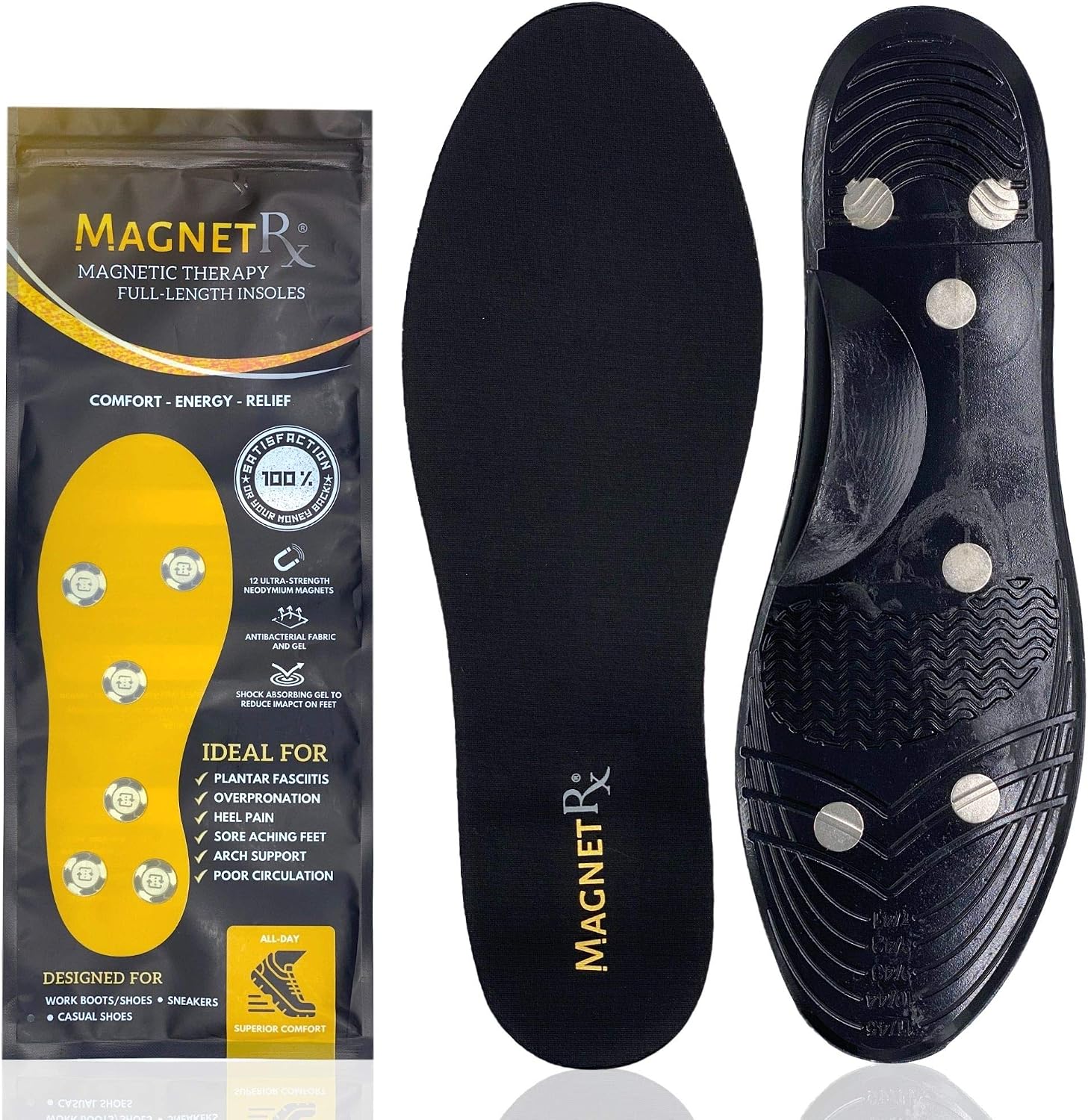
What they are. Mattresses, pillows, seat cushions, shoe insoles, and adhesive magnetic patches that place static fields against the body for hours at a time.
What they are for. Sleep and seated comfort rituals in marketing copy. Long wear raises the same evidence and implant-safety questions as wraps — often with weaker disclosed specs.
What to check before you buy. Magnet density map, wash / cover care, return window, and whether the product is sold as a general consumer good rather than a regulated device.
Class 04 · Live picks
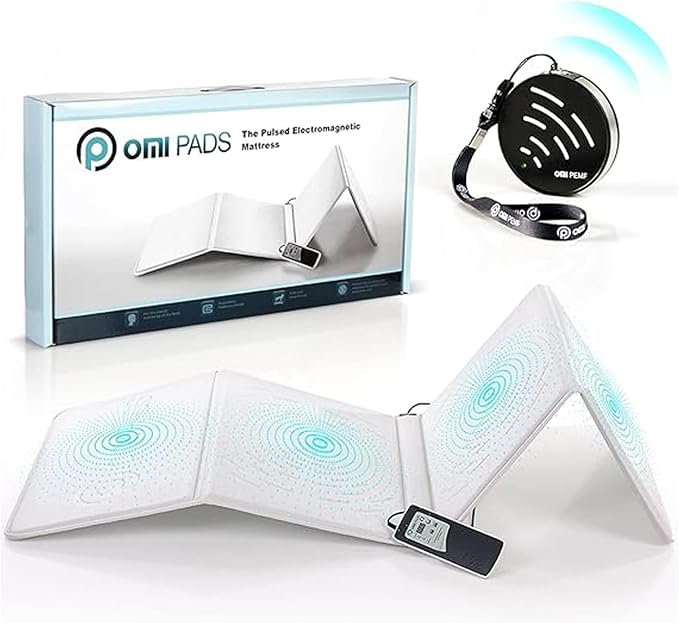
What they are. Battery- or mains-powered consumer mats or pads that generate a changing or pulsed electromagnetic field (labeled PEMF when the listing discloses frequency / coil output).
What they are for. Timed sessions rather than all-day jewelry. Some clinical PEMF uses have a research trail; consumer titles still need verified waveform claims and safety notes. CytoAura does not shortlist TMS headsets, hospital machines, or FIR / vibration belts that do not clearly disclose PEMF coils.
What to check before you buy. Frequency / intensity disclosures, session timer, contraindications for implants, and whether the seller invents hospital equivalence. Protocol details stay on the Amazon page for that SKU.
How we filter
Magnet specs you can verify — plus a straight read on comfort, use case, and research gaps.
Gauss ratings, magnet material (neodymium, ferrite), count, and placement should be specified — not left to guesswork.
Comfort, adjustability, breathability, and how long you can realistically wear it during daily activity and recovery routines.
Whether the design suits knees, elbows, back support, sleep, or general wear — matched honestly to the intended body area and activity.
Static-magnet research is mixed and often preliminary. We say plainly when reported benefits are anecdotal or not yet well replicated.
Explore the map here. Dedicated magnet-therapy trials are still thin on Outlive; the closest published note is grounding and Earth contact. CytoAura stays on the tool map.
Related Outlive: grounding & charge