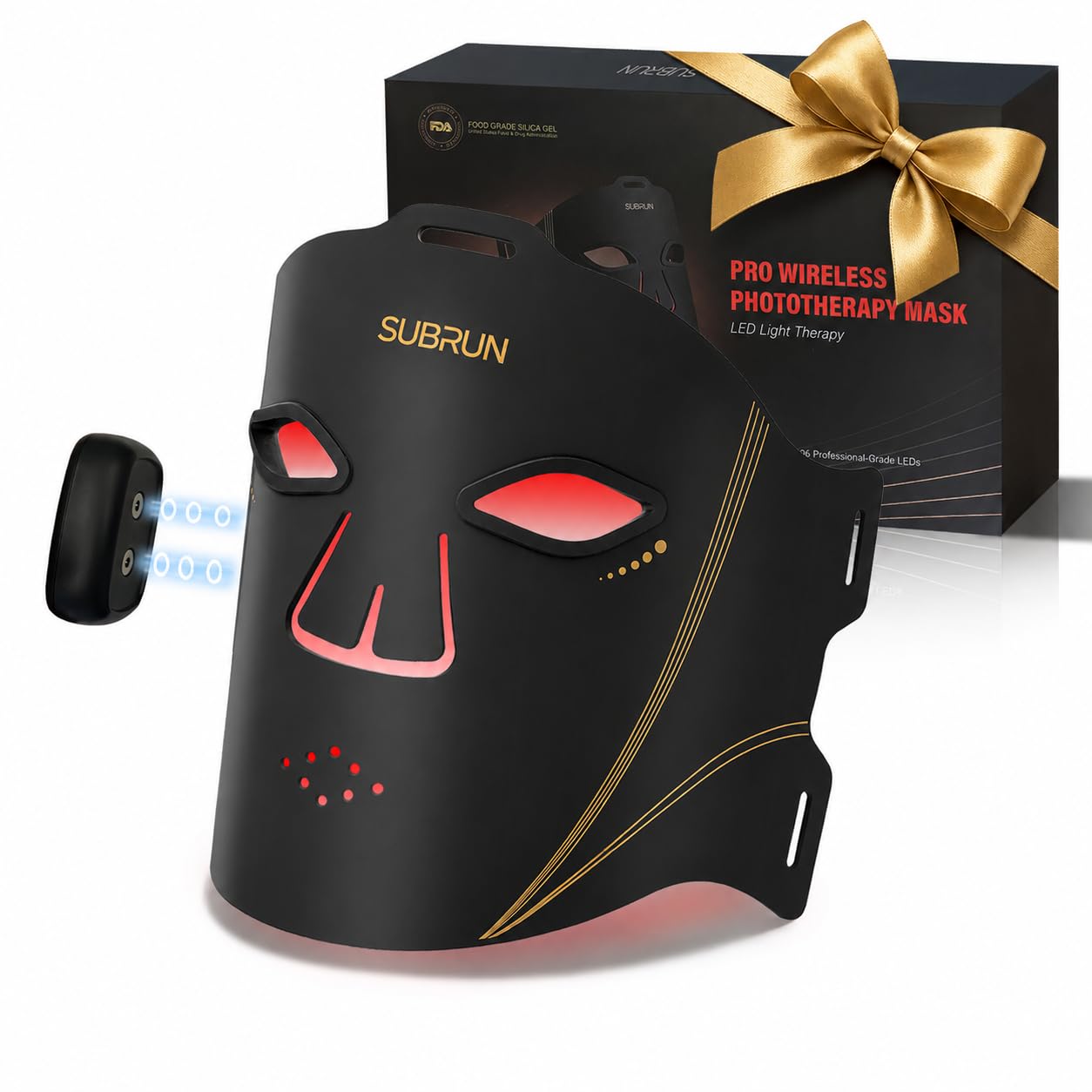
Learn the map first — what red and near-infrared light are, how devices differ — then choose a shortlist with clear specs.
Overview
A practical briefing on red and near-infrared light — what it is, what people use it for, how devices differ, and what CytoAura will and will not claim.
Light therapy in the CytoAura sense means using LED devices that emit narrow bands of red and/or near-infrared (NIR) light on the skin for timed home sessions. In the research literature this is often discussed as photobiomodulation (PBM): light as a physical input that cells can interact with, rather than heat lamps, UV tanning, or bright-light boxes for seasonal mood.
Home devices are not clinics. Output, distance, session length, and skin contact all change the “dose.” That is why we insist on published wavelengths and honest form-factor labels before we recommend anything.
 Promote circulation
Improve microcirculation
Promote circulation
Improve microcirculation
 Deep penetration
Reach deep tissues
Deep penetration
Reach deep tissues
 Soothe & relax
Ease muscle tension
Soothe & relax
Ease muscle tension
 Relieve fatigue
Support sports recovery
Relieve fatigue
Support sports recovery
 Safe & comfortable
Gentle, non-irritating
Safe & comfortable
Gentle, non-irritating
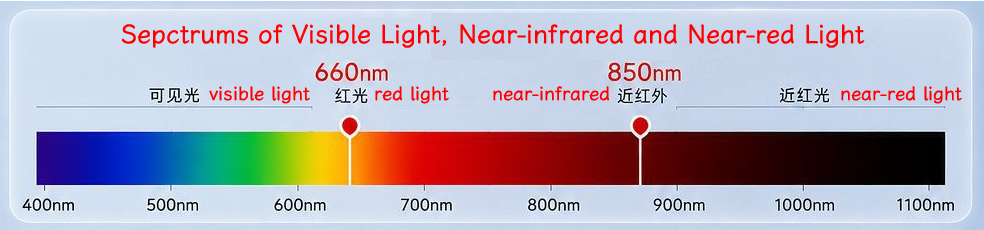
| Band | Typical range | How it is usually framed |
|---|---|---|
| Red | ~630–660nm | Visible red light; often discussed for skin-surface routines |
| Near-infrared | ~810–850nm (sometimes listed near 880nm) | Mostly invisible; marketed for deeper tissue reach |
| Dual-band | e.g. 660 + 850 | Common on pads, belts, and panels sold for “body” use |
660nm Red Light
Promotes surface-level care
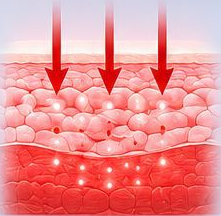
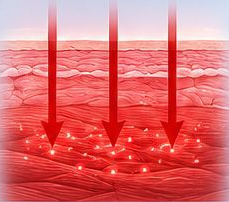
850nm Near-Infrared
Deep penetration & relaxation
Numbers on a product page are claims until you verify them. Prefer listings that state nm values clearly. Treat “medical-grade,” “hospital power,” or miracle language as marketing, not proof.
Consumers and brands usually point to one or more of these goals. On CytoAura we describe them as interest areas with mixed evidence, not guaranteed outcomes:
Individual response varies. Session habits, device output, and expectations matter as much as the brand name on the box.
If you are pregnant, use photosensitizing medication, have eye disease, or have a medical condition, talk to a clinician before starting a light routine.
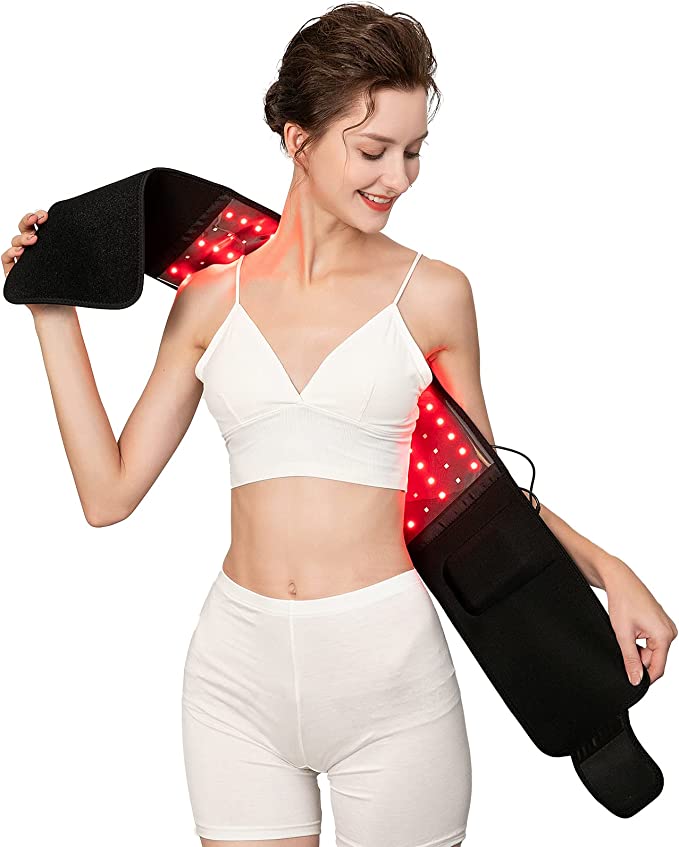
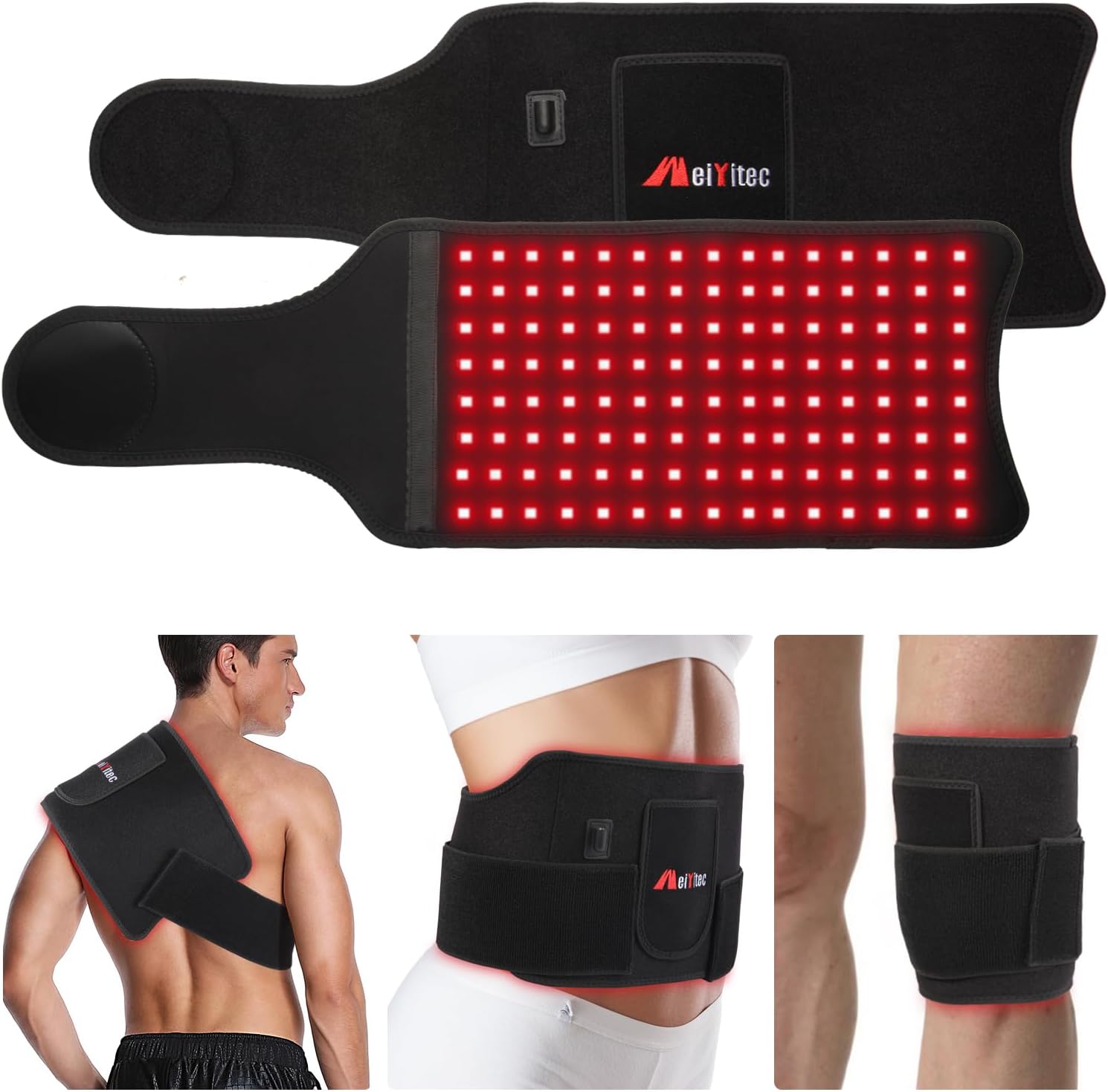
Pads & belts suit targeted, hands-free use on one body area. Panels suit larger coverage if you can place yourself at a consistent distance. Face masks suit short facial sessions when the listing discloses wavelengths and eye guidance.
Only after the class fits your routine should you compare ASINs — wavelengths, size, timer, power, and return policy. That is the order we use on this page.
For mechanisms — mitochondria, NIR, and cellular energy — start with this Outlive briefing. CytoAura stays the tool map and shortlist.
Classification
Same physics, different jobs. Pick the class that matches your routine — then see what we shortlist inside it.
Class 01 · Live picks
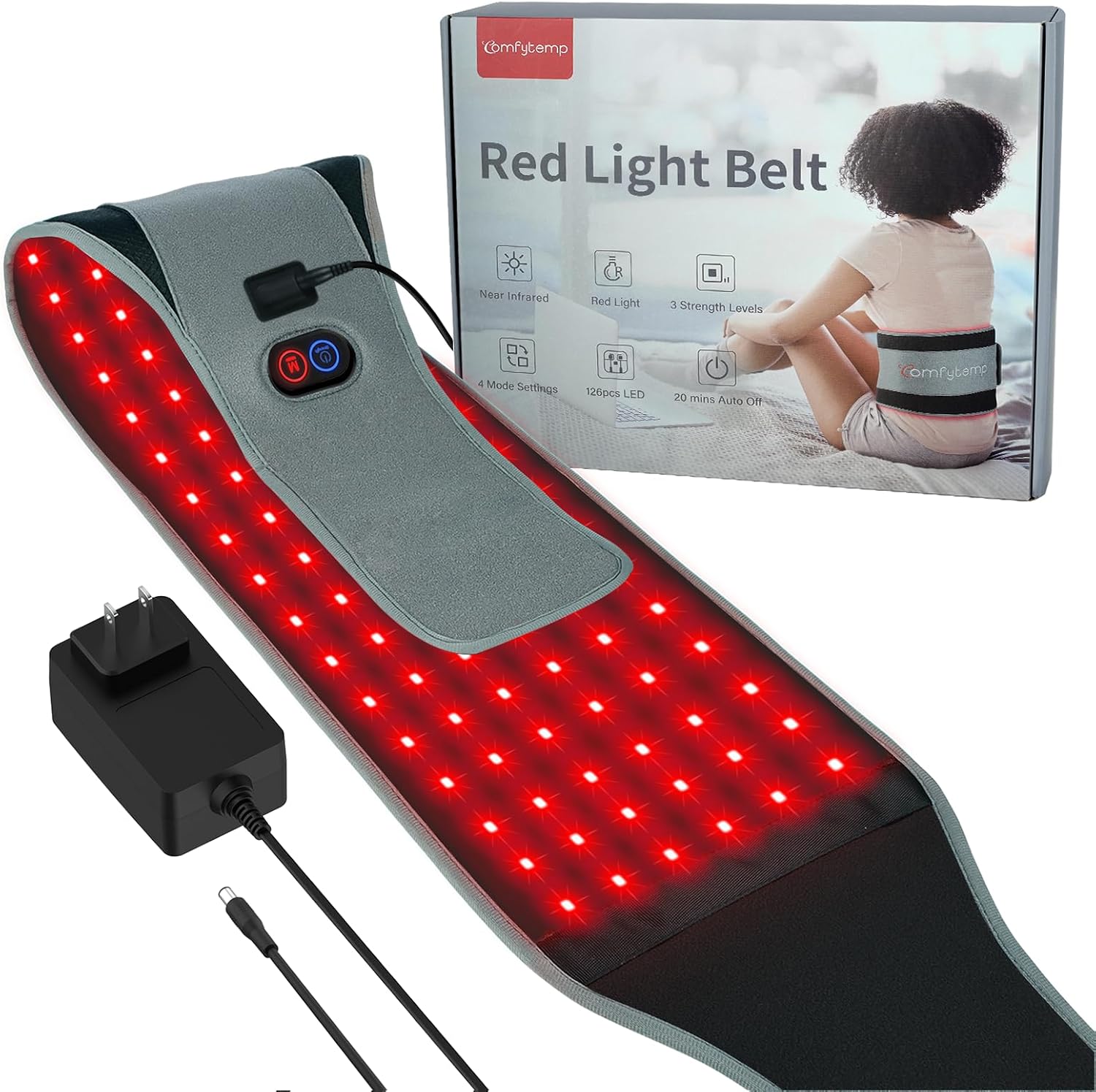
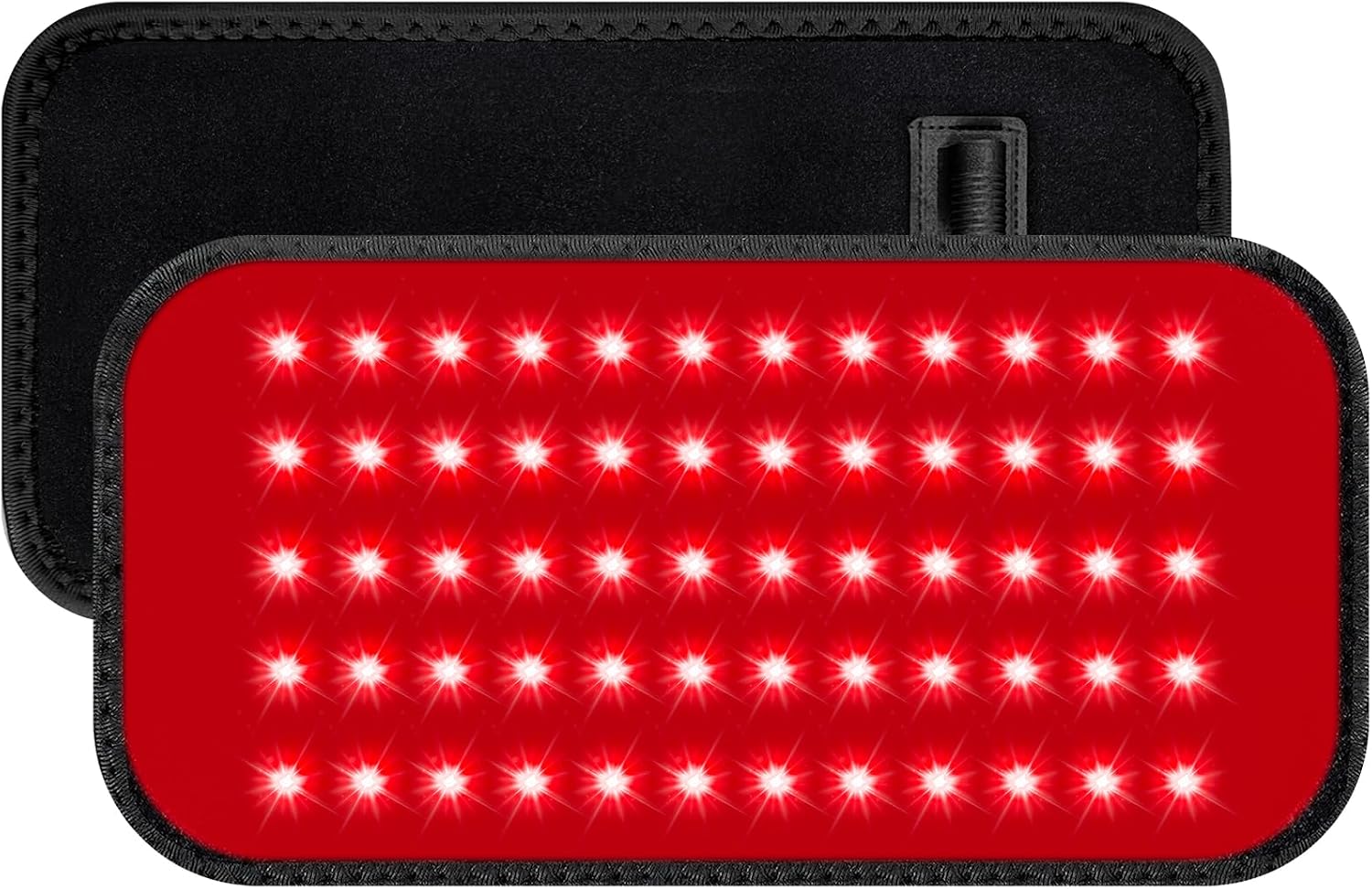
What they are. Soft, flexible wraps with embedded red and/or near-infrared LEDs, held on with straps or Velcro. Designed for one body zone at a time — waist, back, shoulders, knees, and similar local areas — with hands-free wear once fastened.
What they are for. Targeted home routines where you want contact coverage on a specific area rather than standing in front of a panel. Listings usually pair visible red (~660nm) with NIR for surface-plus-deeper framing; CytoAura treats comfort and recovery language as interest areas, not medical promises.
What to check before you buy. Published nm values, pad size / fit range, timer, power method, and strap quality. Session steps and cautions live on each Amazon product page so they stay aligned with that SKU.
Wearable red-light context on Outlive: the red-light overview.
Class 02 · Live picks
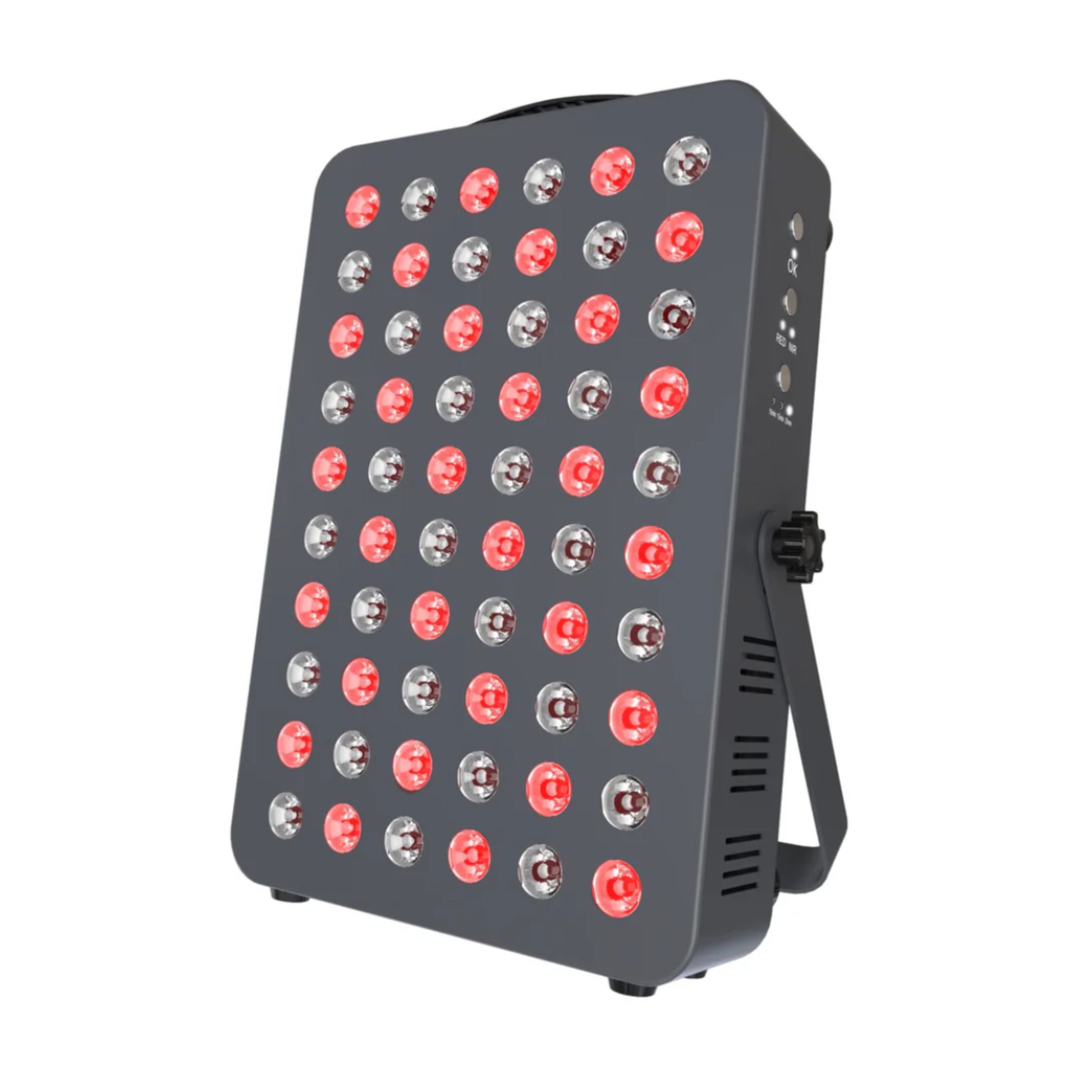
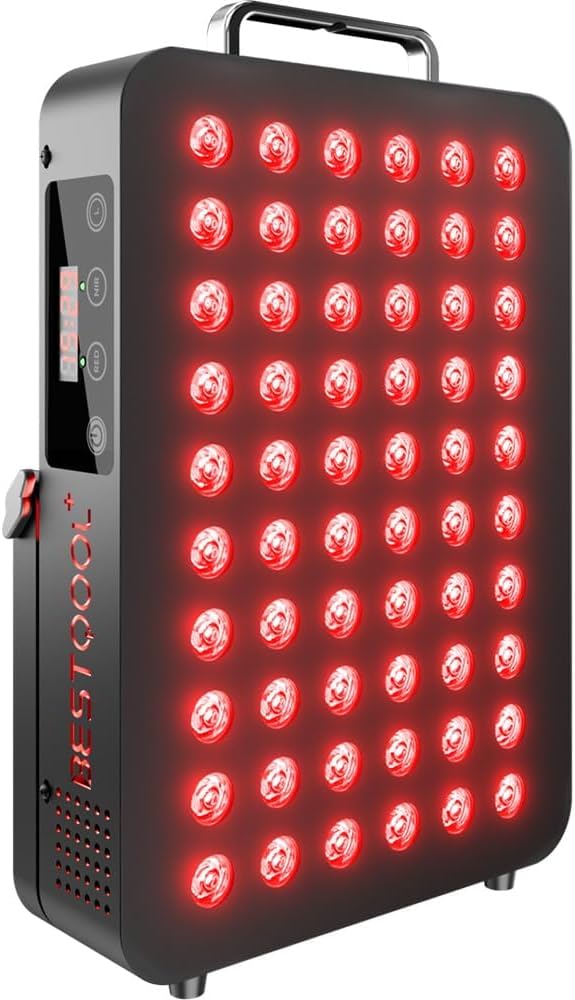
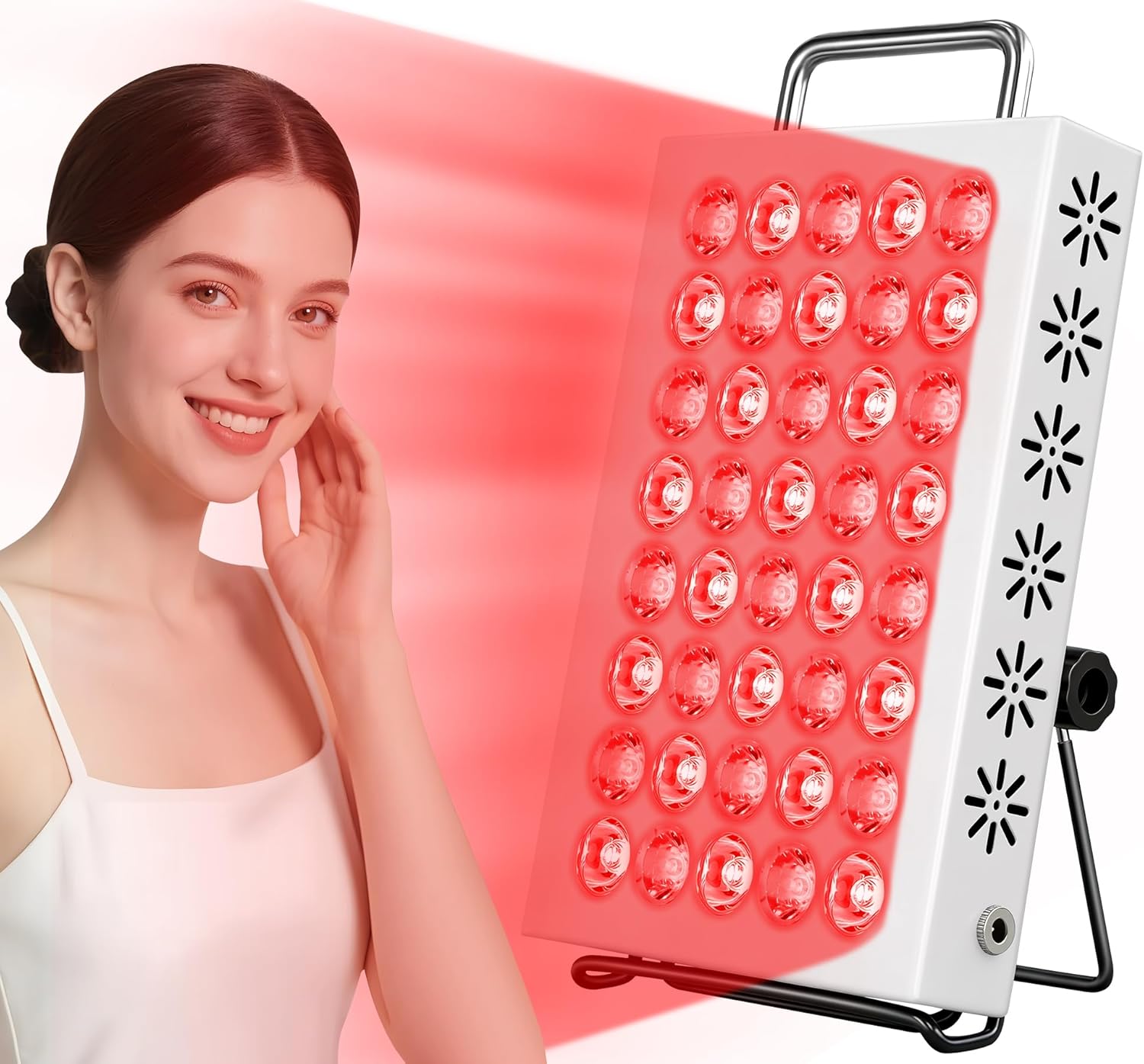
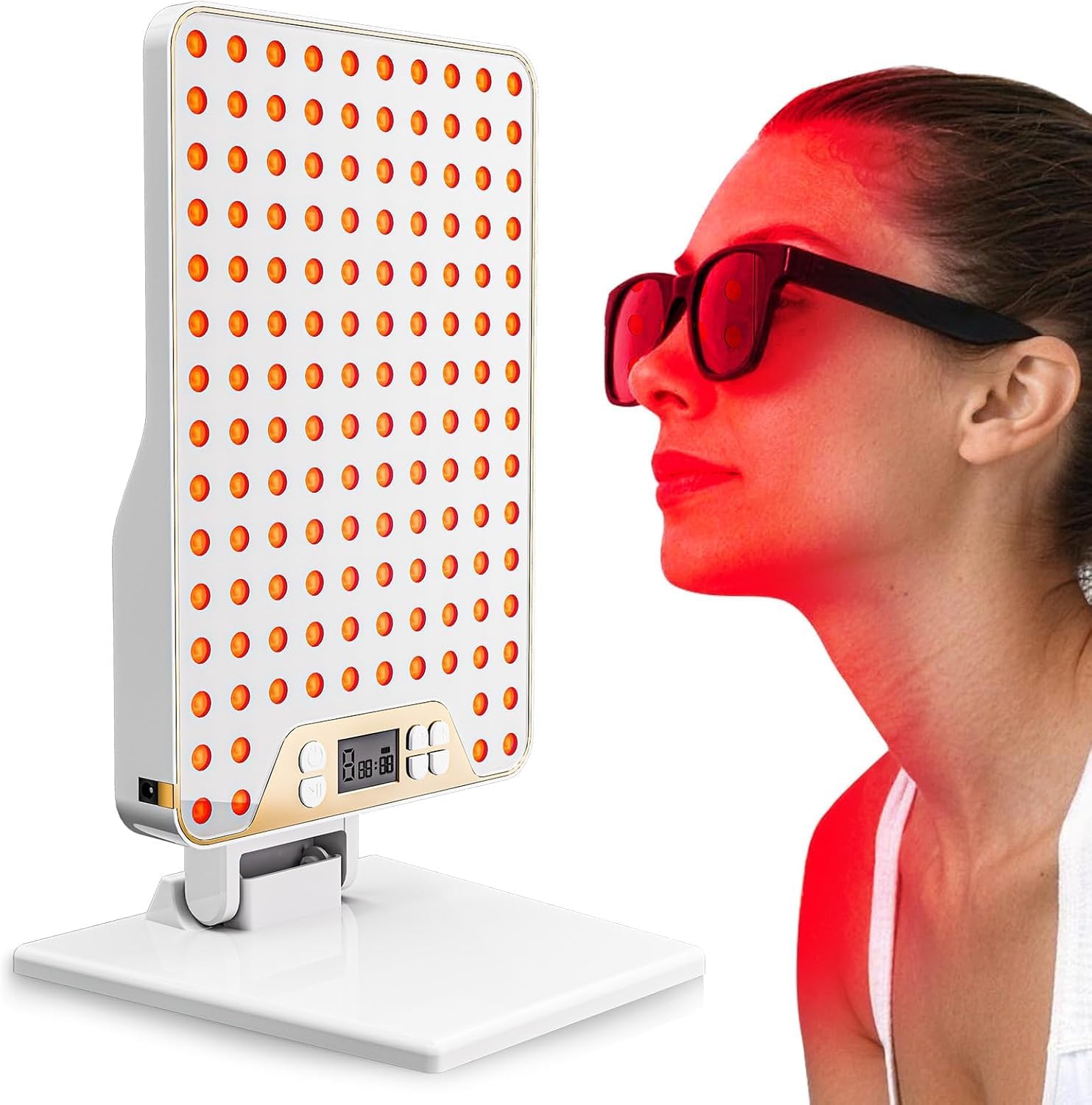
What they are. Rigid or semi-rigid LED arrays — from compact desk units to larger wall or stand panels — that shine onto the body from a set distance rather than wrapping around it.
What they are for. Broader coverage in one session: torso, back, or multiple zones by turning. Suited to standing or seated routines when you can keep a consistent distance and angle. Often dual-band (red + NIR) for “large area” home use.
What to check before you buy. Stated wavelengths, coverage size, mounting options, and any irradiance or power figures the seller discloses. Exact distance, time, and eye guidance stay on the Amazon listing for that panel.
Class 03 · Live picks
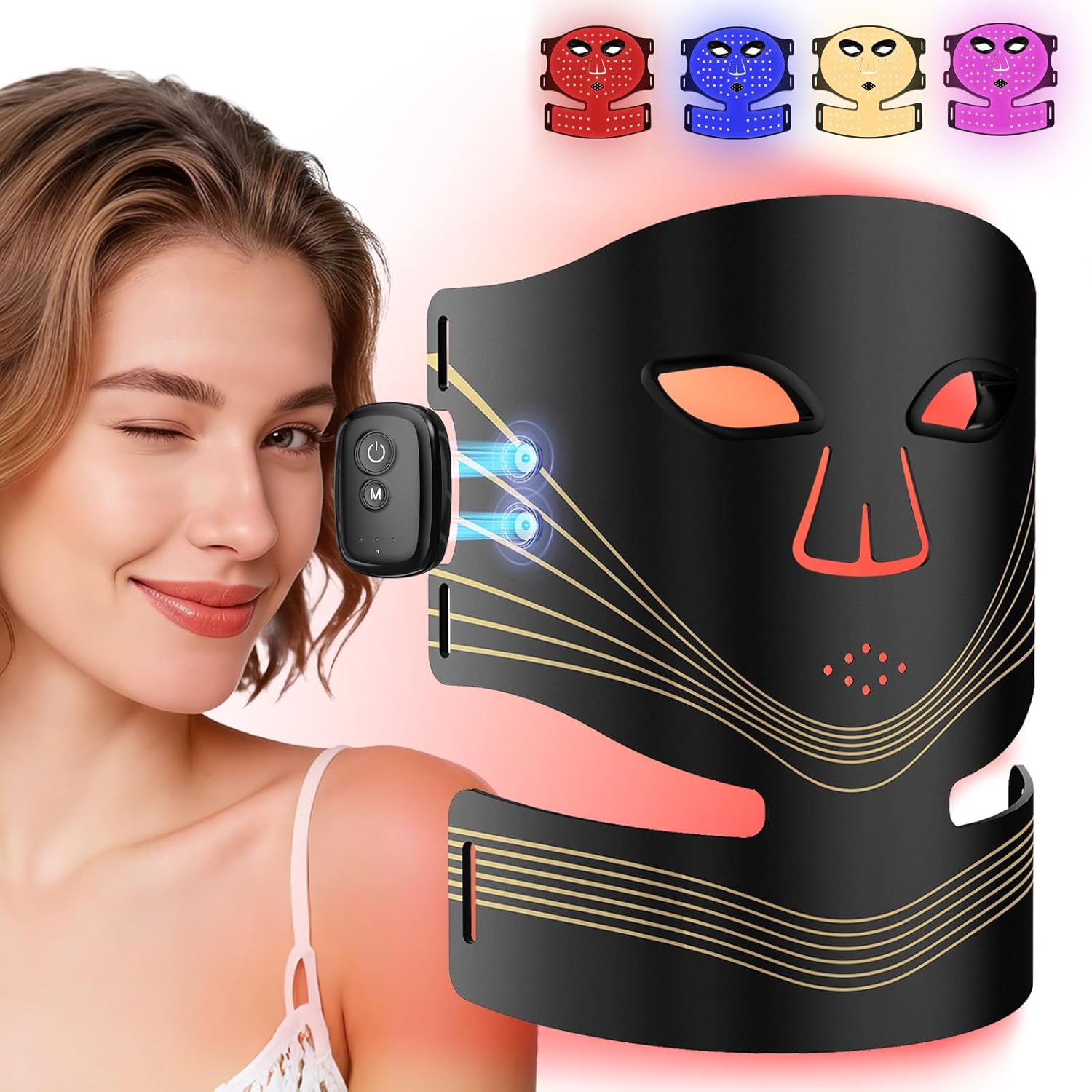
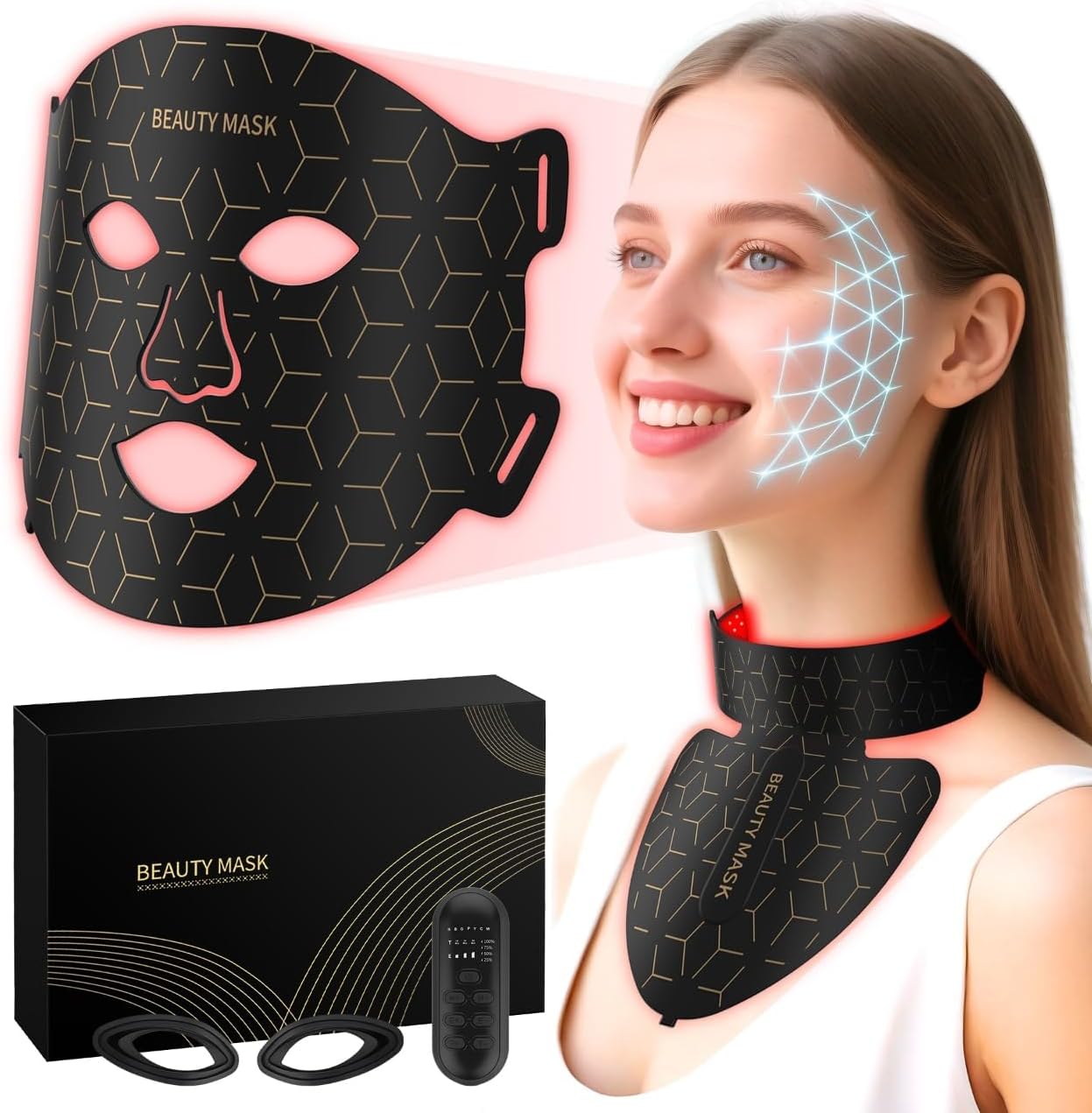
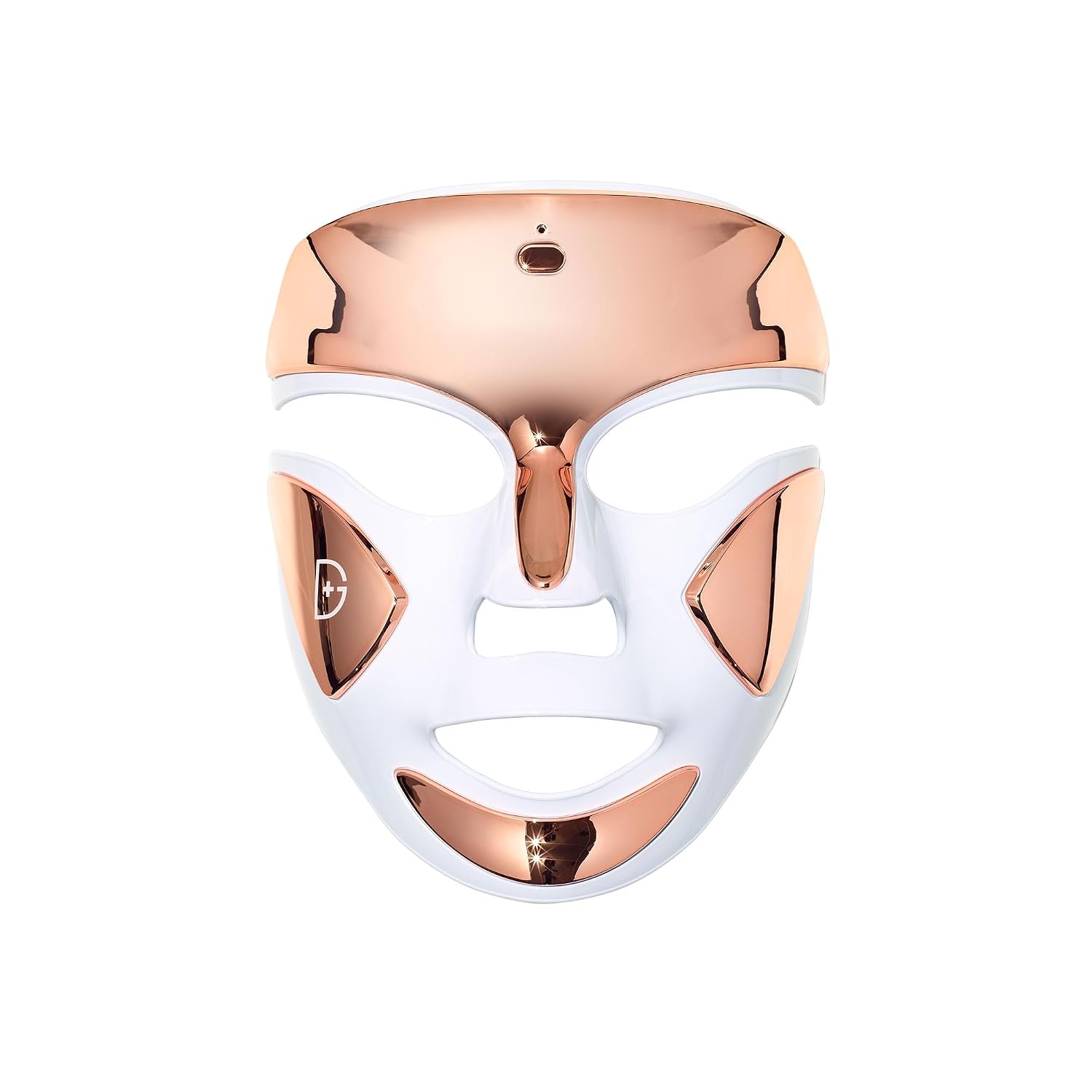
What they are. Face-shaped LED devices (rigid shells or flexible masks) that sit close to facial skin for short, timed sessions. Coverage is facial by design, not full-body.
What they are for. Skin-focused home routines — appearance and surface care framed around red (and sometimes other) wavelengths. Eye protection and fit matter more here than for body wraps.
What to check before you buy. Published nm ranges, LED layout, materials, timer, and eye-safety notes on the listing. Wear and session instructions stay on Amazon so they match that mask.
Skin-focused context on Outlive: brief red-light sessions and skin markers.
How we filter
Specs before slogans — and a clear read on where the research stands.
Specific nm ranges (such as 660nm and 850nm), not vague “red light” marketing.
Pad size, panel area, or mask LED layout stated so you can match the tool to your routine.
Eye protection, heat, timers, and power requirements flagged where relevant.
Photobiomodulation research is evolving. We say where claims outpace the data.
Deeper science — 660/850 nm, cellular energy, common mistakes, and safety notes — lives on Outlive.club. CytoAura stays focused on the tool map.
Read the red-light overview on Outlive