Four jobs for copper: drink from it, work the body with it, place a geometry coil, or wear it. Material honesty first — then a shortlist.
Overview
A practical map of wellness copper in four jobs — internal vessels, therapy tools, tensor coils, and wearables — and what CytoAura will and will not claim.
Copper in the CytoAura sense is a physical metal tool, not a supplement. The same metal shows up as a water vessel, a scraping or moxa tool, a twisted-wire coil, or a cuff. Those are different jobs. Mixing them on one product card hides the lining, heat, alloy, and geometry questions that actually change the buy.
Tradition talks about water stored in copper, warm metal on the body, and jewelry as a cultural practice. Seller pages often add taste, antimicrobial, meridian, joint, or EMF language. CytoAura treats that as marketing or folklore unless Outlive.club reviews the evidence. Wearing copper is not a reliable way to supplement dietary copper. A tensor ring is not a Faraday cage.
We do not diagnose, treat, or promise medical outcomes. Fill, scrape, heat, and care steps belong on the Amazon page for that SKU so they stay current. The briefing below is educational: dietary copper as a nutrient is not the same thing as buying a vessel, gua sha board, or cuff.
Copper is an essential trace mineral. In physiology it is a cofactor in enzymes — not a supplement you absorb reliably by wearing jewelry. A balanced diet usually covers adult needs of about 0.8–0.9 mg per day; special cases belong with a clinician.
Deficiency may be discussed in connection with anemia and lower immune resilience; weaker bone and higher fracture risk; dry, brittle hair and reduced skin pigment; neurologic signs such as ataxia; and delayed growth in children.
Excess is not benign. Acute overload can mean nausea, vomiting, abdominal pain, and diarrhea. Chronic overload can injure liver and kidney function. People with Wilson disease must strictly limit copper — including unlined vessels — under medical care. This page is not a diagnosis or a dosing guide.
Dietary copper is the intended way to meet the daily need:
Keep zinc and copper in a rough dietary balance (a common rule of thumb is about 10:1 zinc to copper). Very high-sugar diets can interfere with copper absorption. Balanced eating usually meets the 0.8–0.9 mg target; infants, pregnancy, deficiency, or Wilson disease need a physician — not a product card.
Wellness listings often bundle three extra claims onto objects. We translate them here so you can recognize the pitch — then we keep CytoAura’s line.
For copper vessels — tradition, caveats, and what the science does and does not support — start with this Outlive briefing on copper cups. CytoAura stays the tool map and shortlist. Below, pick a class by job: drink, scrape or comb, place a coil, or wear.
Classification
Same metal, different jobs. Pick the class that matches how you will use it — then see what we shortlist inside it.
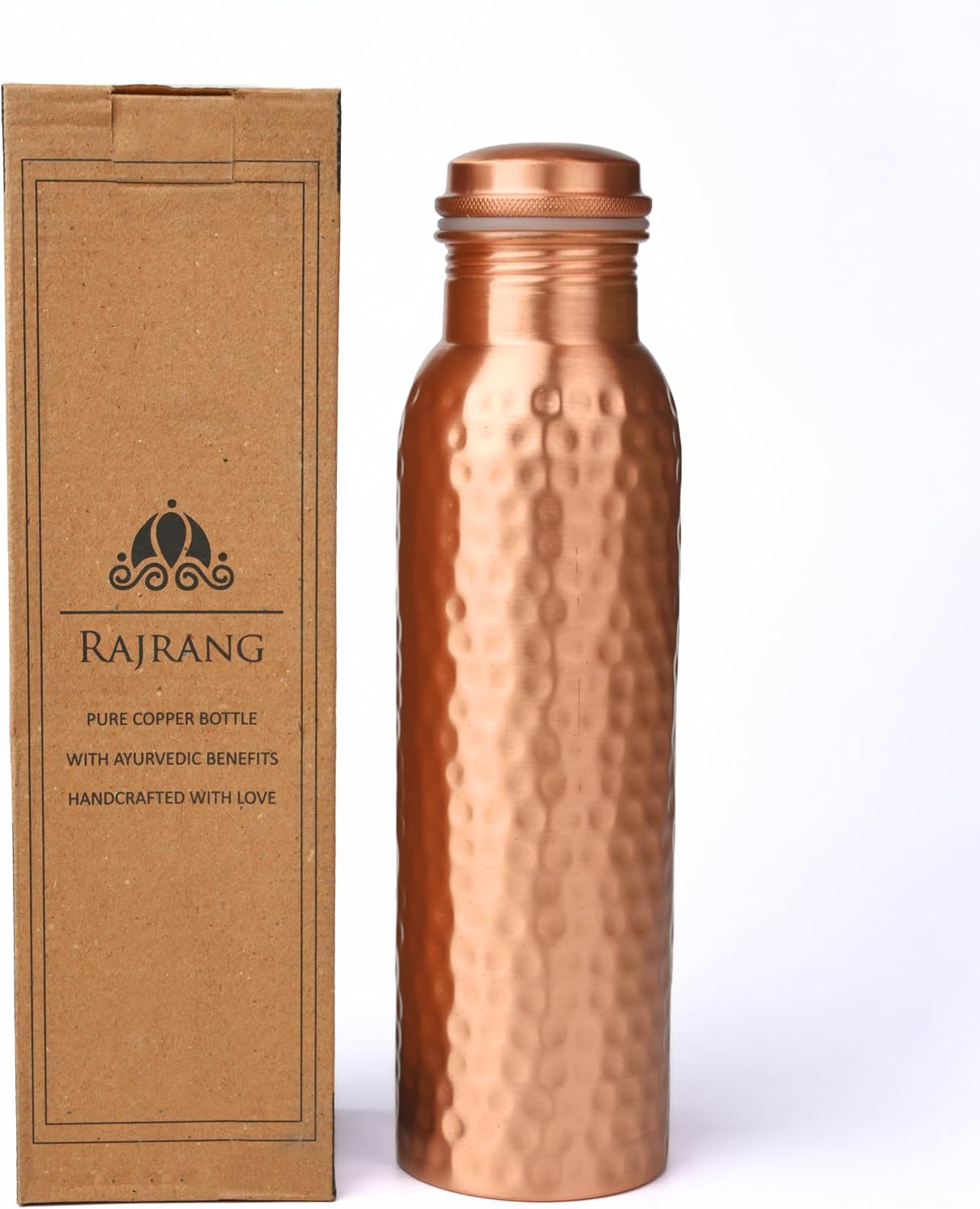
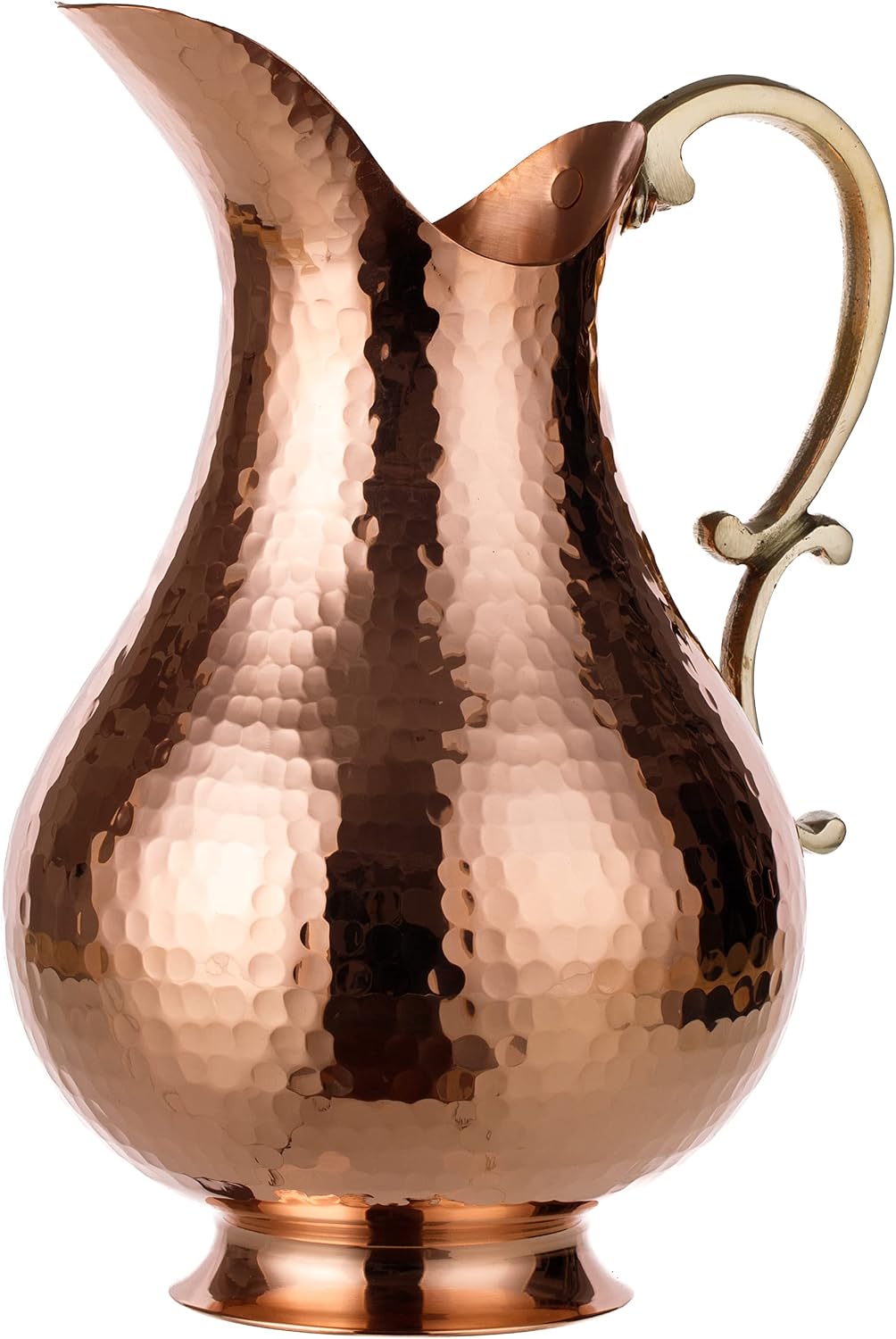
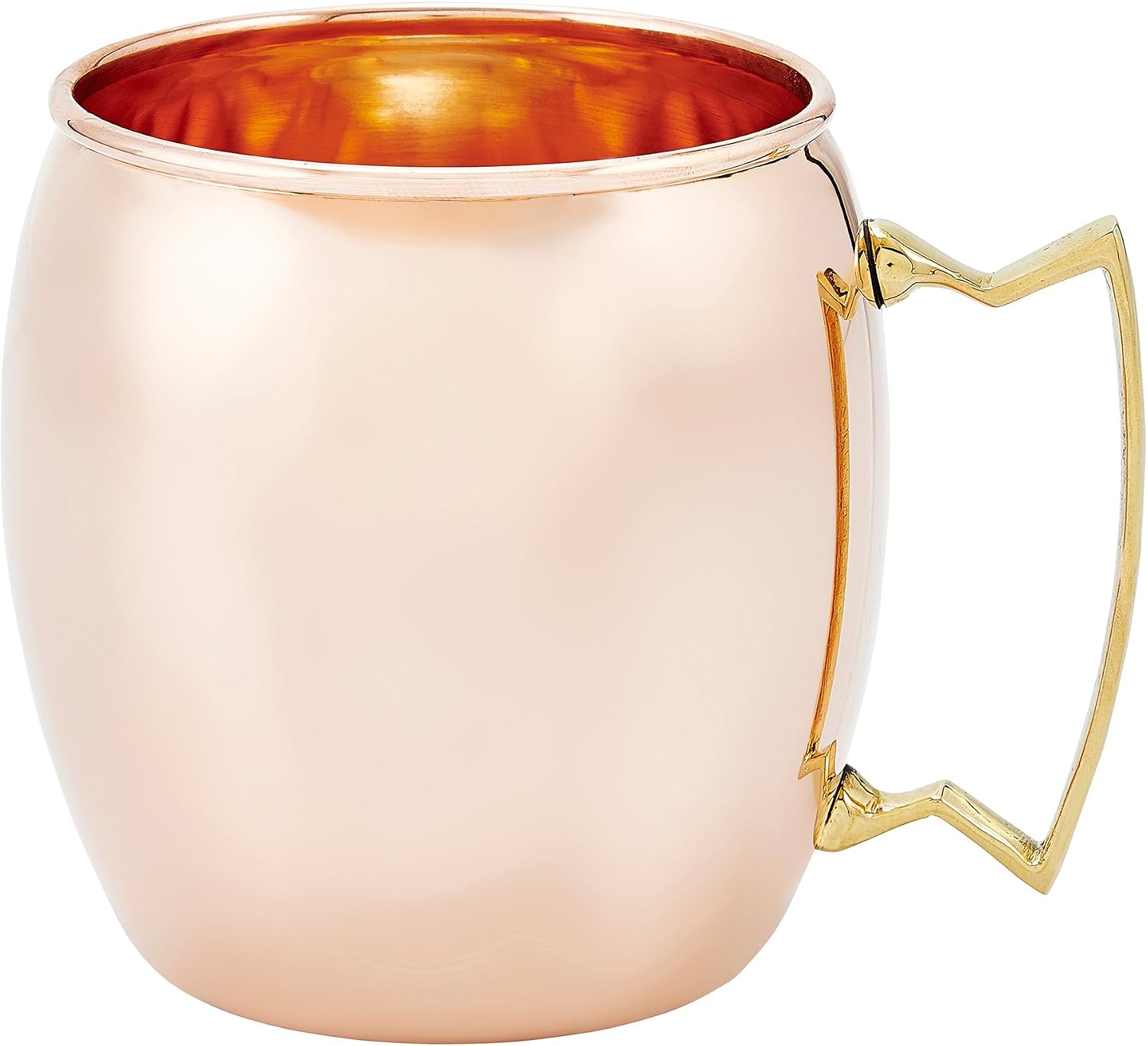
Bottles, pitchers, cups, and bowls — lining and purity before folklore.
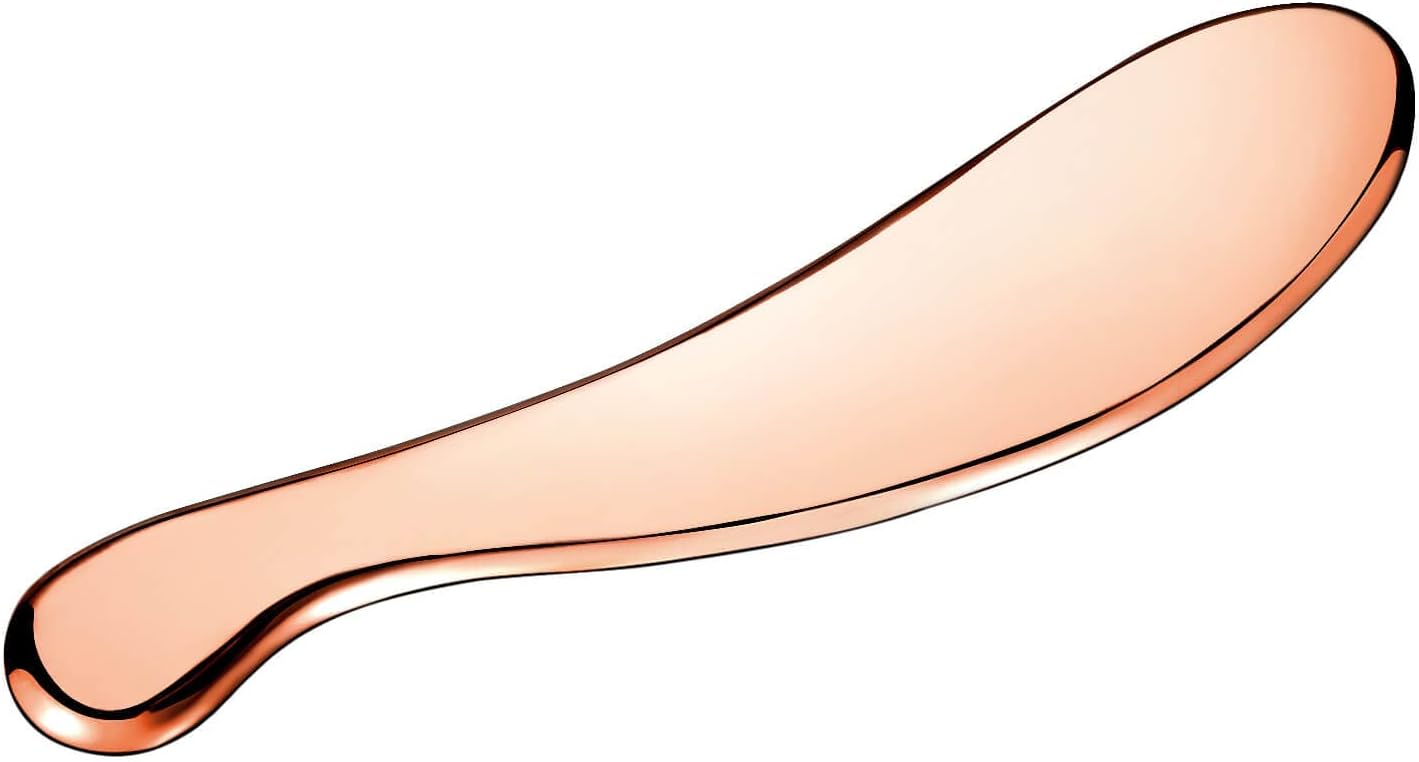
View class → Class 02Gua sha, moxa holders, and combs for external contact work.
View class → Class 03Cubit rings and helical coils — geometry objects, not Faraday cages.
View class → Class 04Cuffs, bracelets, and jewelry — uncoated copper without magnet clutter.
View class →Class 01 · Live picks
What they are. Copper that holds water: bottles, pitchers, cups, bowls. The buy question is the interior — unlined copper vs lacquer, tin, nickel, or steel.
What they are for. Traditional water-storage craft. Sellers often talk taste or antimicrobial effect; CytoAura leaves that language on the listing and the evidence on Outlive.club.
What to check before you buy. Unlined vs coated, stated volume, lid vs open top. Listings commonly warn against acidic drinks and alcohol, and say to dry after washing — follow the Amazon page for this SKU, not a copied care ritual here.
Water-storage context on Outlive: overnight water in a pure copper cup.
Class 02 · Live picks
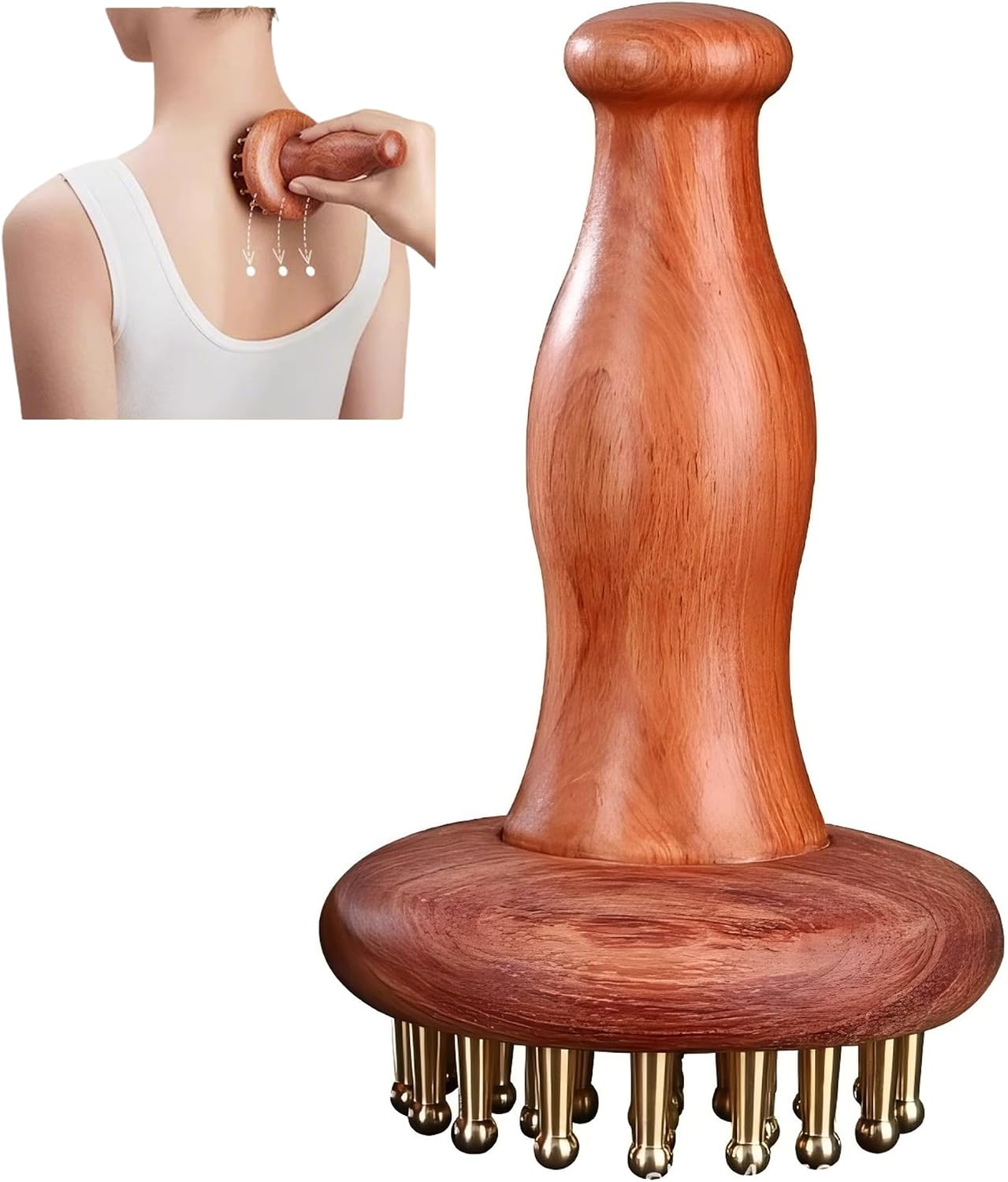
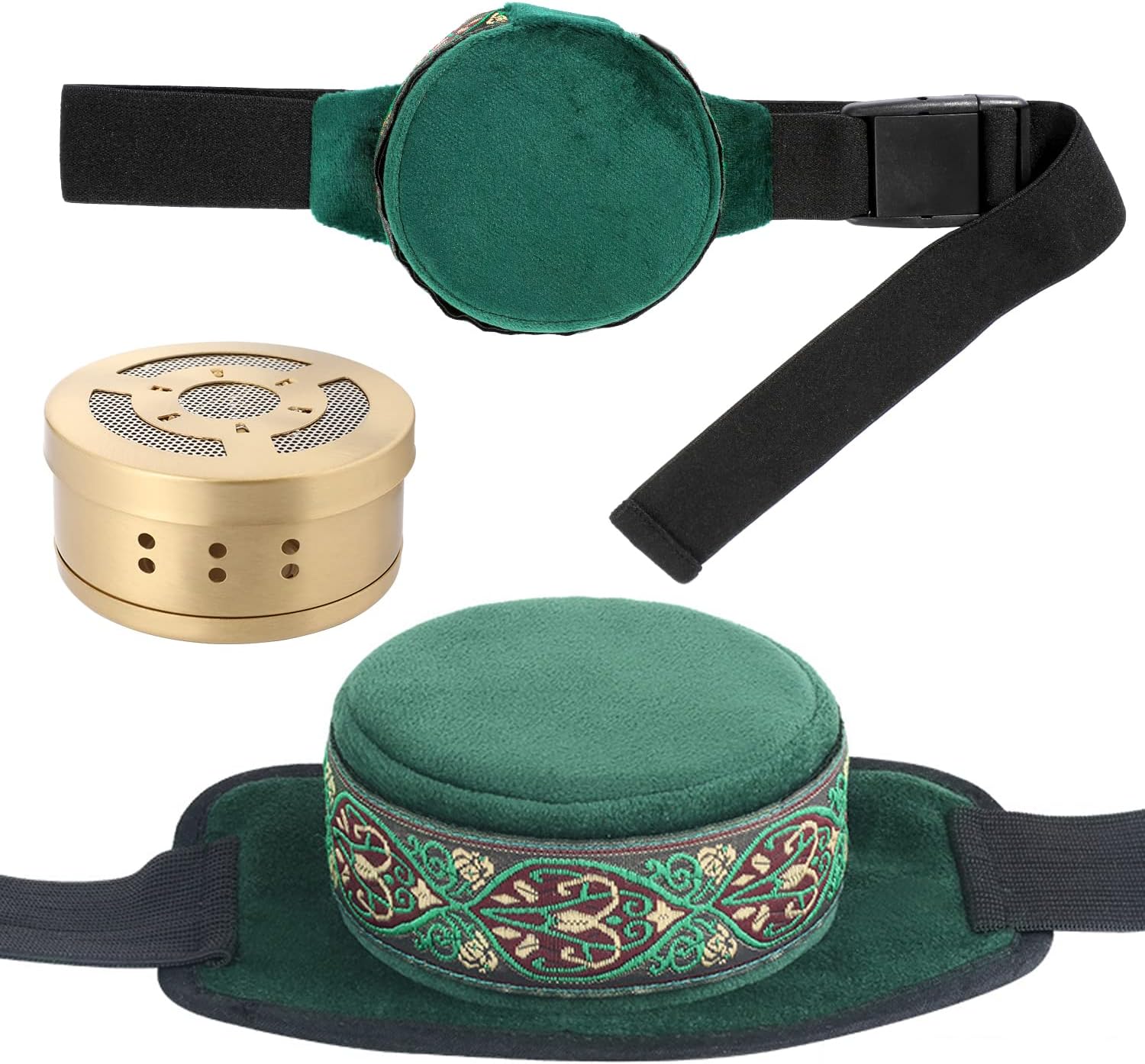
What they are. Copper that touches skin as a tool: gua sha / Bian-style boards (铜砭), moxa boxes, massage combs. Copper moves heat quickly and takes a smooth polish — that is the craft reason for the class.
What they are for. Traditional scraping, warm-moxa holders, and comb-style contact work. Meridian and “unblock” language stays with the tradition and the seller. CytoAura does not treat these as medical devices.
What to check before you buy. Pure copper vs brass or plated alloy, edge smoothness, whether a moxa box is actually copper. Heat, oil, and burn cautions live on the Amazon page for that SKU.
Closest Outlive copper brief (vessels, not tools-only): copper cups — tradition vs evidence.
Class 03 · Live picks
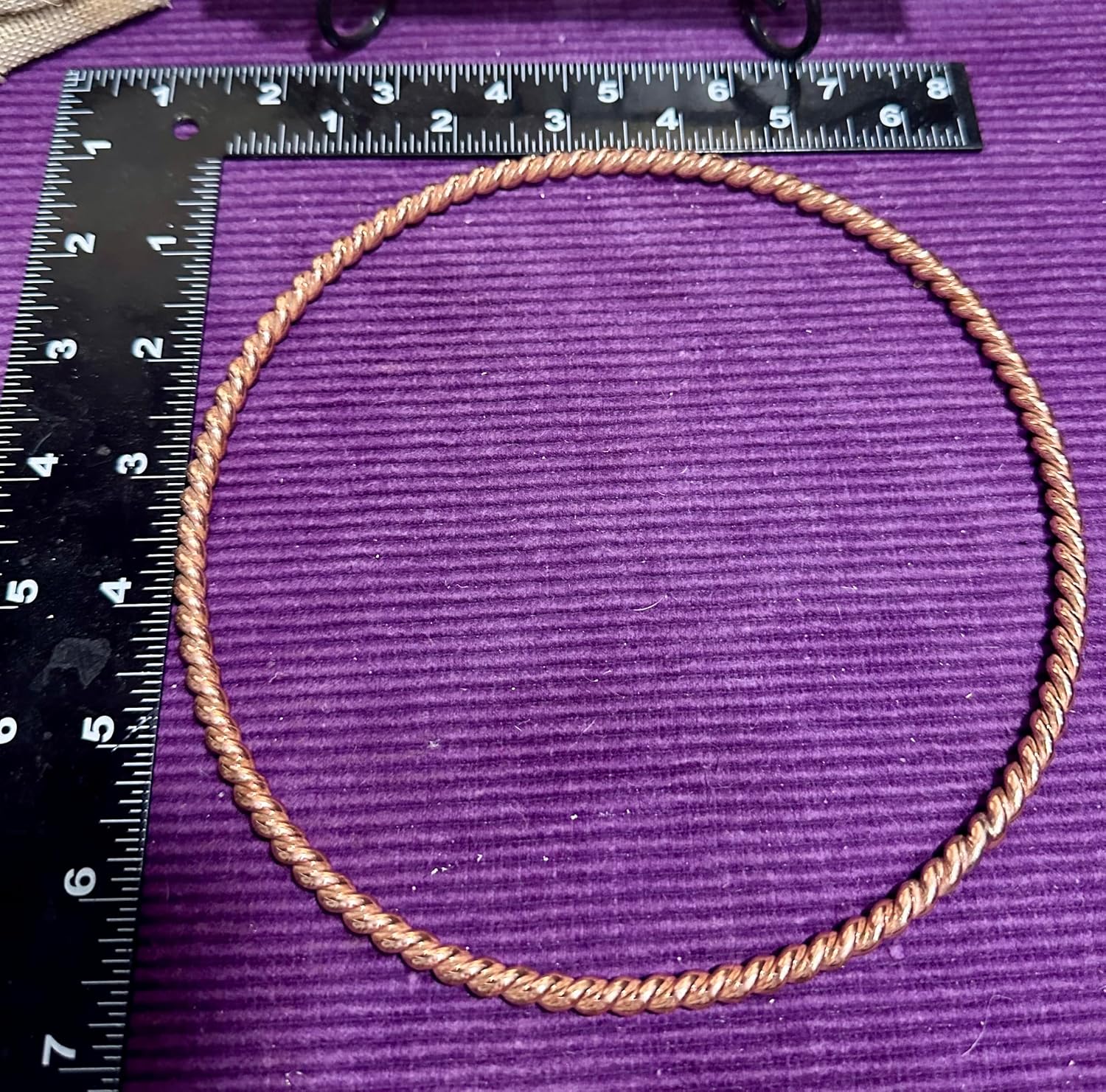
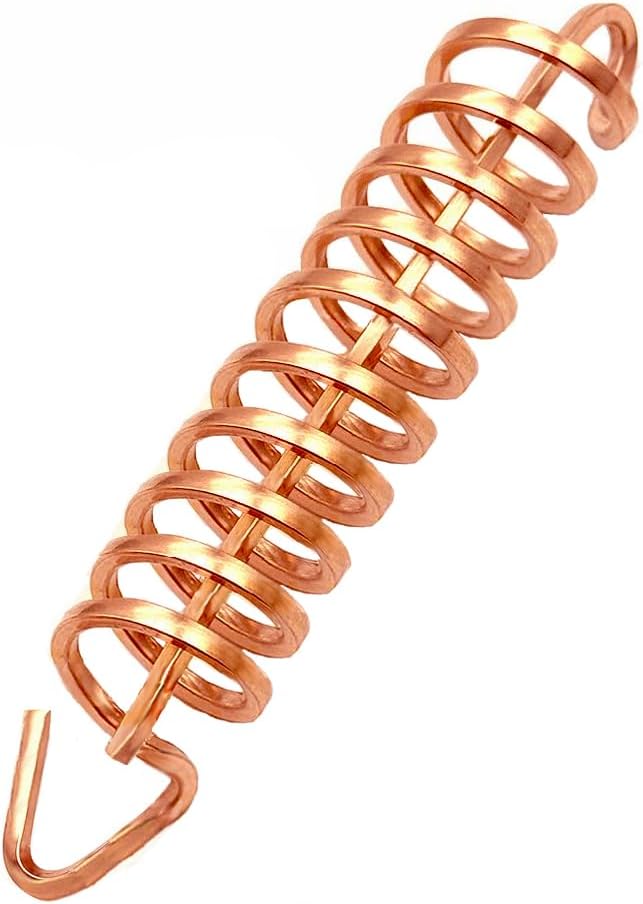
What they are. Twisted or helical copper wire formed to cubit lengths: closed tensor rings, torus tubes, and handheld coils. They sit near a meter, a device, or in the hand — they are not drinkware and not a continuous shield layer.
What they are for. Listings talk sacred / lost / empowerment cubits, 144–188 MHz folklore, and EMF “harmonizing.” Some sellers state the ring does not block fields. CytoAura does not treat these as Faraday cages, medical devices, or radiation garments.
What to check before you buy. Bare copper vs plated, stated diameter or cubit size, closed loop vs open helix. Placement and care stay on the Amazon page for that SKU. For shielding hardware with attenuation specs, that is a different buy than this class.
Tensor-ring context on Outlive: twisted copper rings and what sellers claim.
Class 04 · Live picks
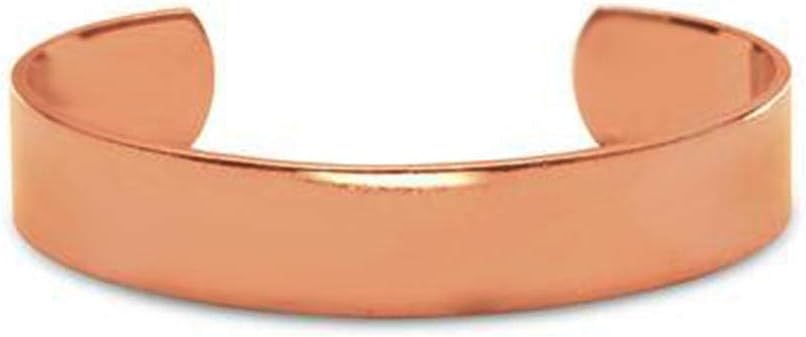
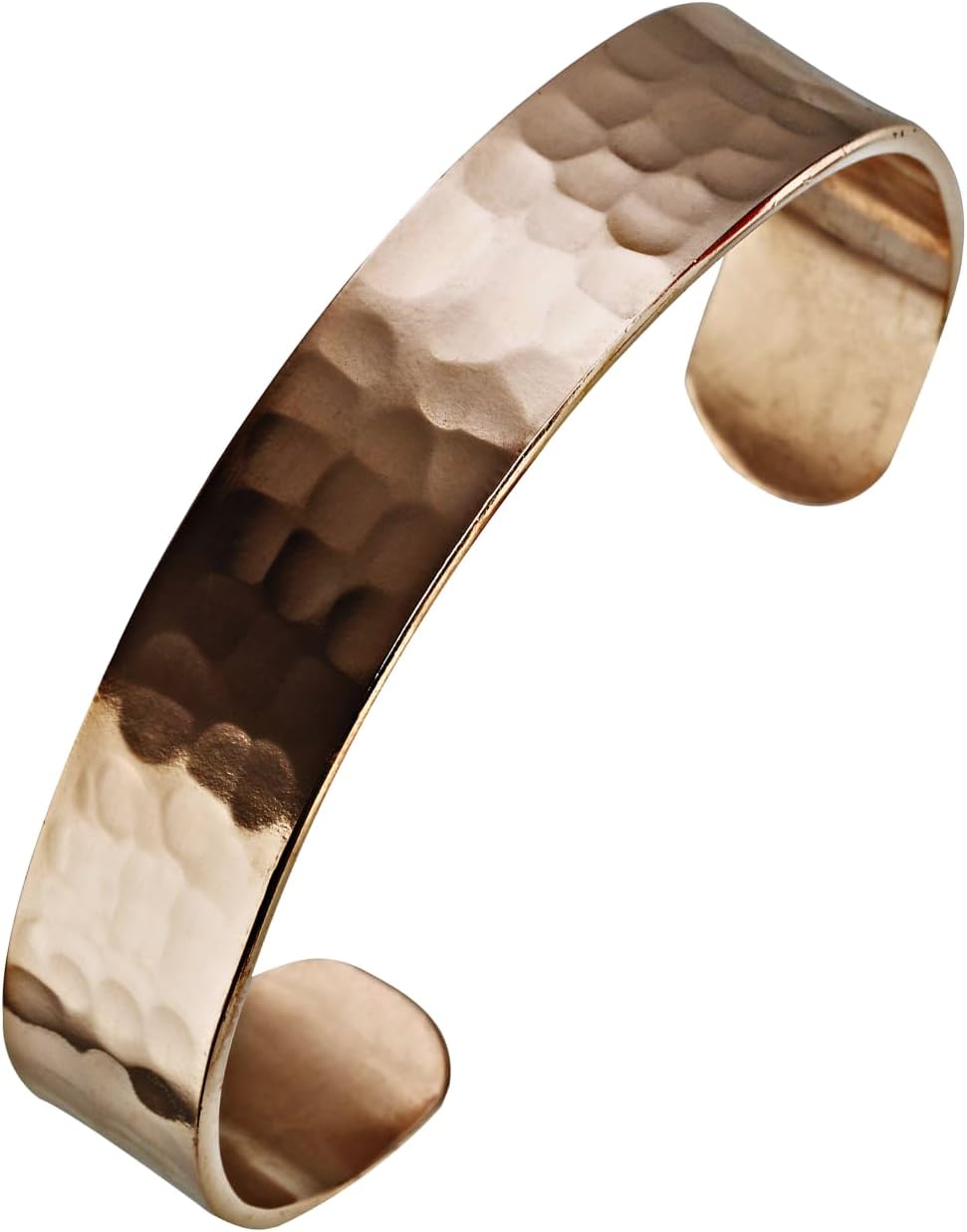
What they are. Copper worn on the body: bracelets, cuffs, rings, necklaces. Open cuffs and solid links are easier to inspect than plated fashion chains.
What they are for. Traditional jewelry and folk practice. Joint-comfort stories are common in listings; they are not a substitute for care, and skin contact does not reliably “supplement copper.”
What to check before you buy. 99.9% / uncoated language vs nickel-heavy alloys, magnets (those belong on the Magnetic pathway), and whether a coating blocks skin contact. Sizing and tarnish care stay on Amazon.
Wearable context on Outlive: copper bracelets as traditional practice. CytoAura still does not treat jewelry as a copper supplement or medical device.
How we filter
Material honesty first — then craft, routine fit, and a clear line between tradition and evidence.
Copper grade and alloy composition should be disclosed — not just a copper-colored finish or a vague Ayurvedic label.
Inner surface treatment matters for water contact. We flag lacquered, tin-lined, and fully unlined options clearly.
Weight, seal quality, patina care, and maintenance expectations — assessed for real routines, not display-only pieces.
Copper has a long cultural history. We note traditional use alongside what modern research does — and does not — currently support.
Explore the shortlist here. Tradition versus evidence belongs on Outlive.club. CytoAura stays on the tool map.
Read the copper-cup briefing on Outlive